
By DosNextGen India Private Limited
India’s mobility landscape is evolving, and with it, the need for sustainable solutions to manage aging vehicles. For engineering students—the future architects of innovation—understanding the vehicle scrapping ecosystem is no longer optional, it is essential. The industry blends mechanical design, materials recovery, environmental science, and policy compliance, making it a practical classroom in itself.
At Dos Next Gen India Private Limited, we often interact with students from technical universities across Delhi NCR—covering Delhi, Uttar Pradesh, Haryana, and Rajasthan—who are eager to know how engineering concepts come alive inside a Registered Vehicle Scrapping Facility (RVSF).
Why Scrapping Matters for Engineers
- Applied Engineering in Action
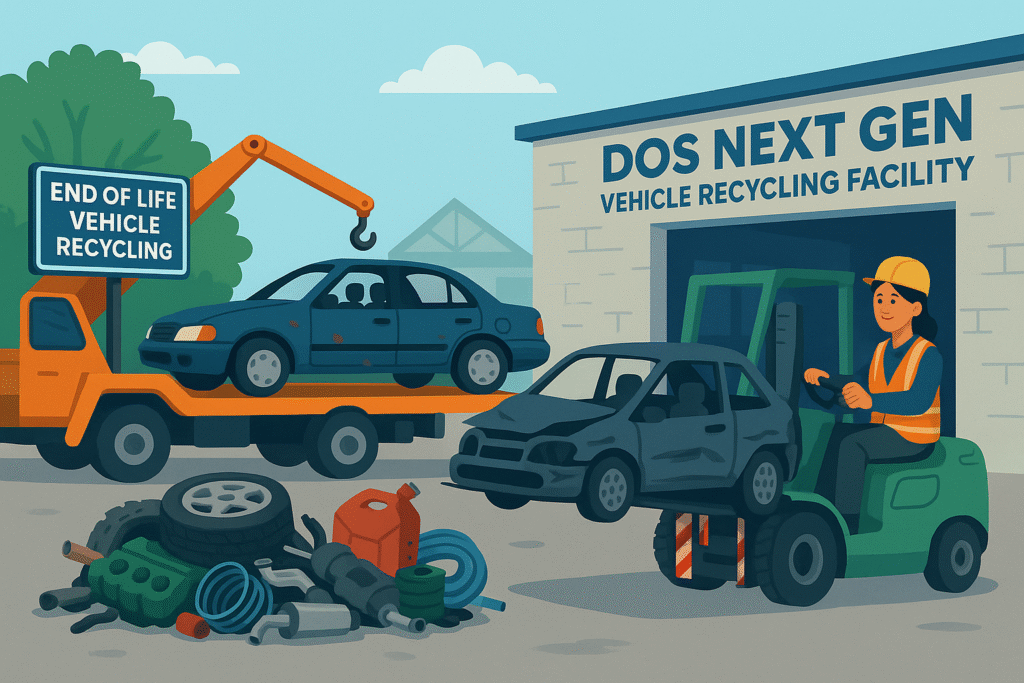
Every vehicle that reaches the end of its life must be dismantled safely. Engineers play a crucial role in designing processes for fluid extraction, steel recovery, and component segregation. This is applied thermodynamics, materials science, and mechanical engineering at work. - Environmental Responsibility
Scrapping reduces emissions, recycles critical metals, and prevents toxic leakages. Engineering students, especially those focusing on environmental or civil disciplines, can study how science directly impacts public health. - Circular Economy Principles
Scrapping introduces students to the concept of reusing raw materials—steel, aluminium, copper, glass, and even plastics—that would otherwise go to waste. This is design thinking for sustainability. - Innovation Opportunities
From battery recycling in EVs to data analytics in supply chain management, scrapping opens new spaces where engineers can innovate. Tomorrow’s breakthroughs in clean mobility may emerge from today’s scrappage facilities.
Inside a Facility: What to Expect
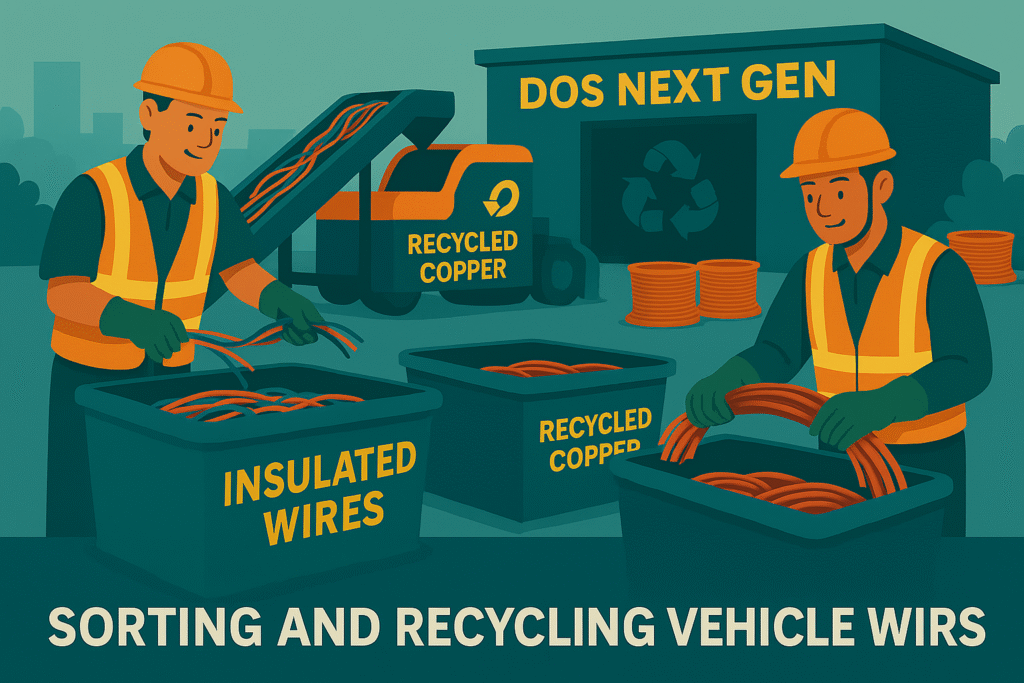
At the Hapur (Delhi NCR) unit operated by DosNextGen India Private Limited, the scrapping process is carried out under strict compliance with MoRTH and NGT guidelines. Students visiting or collaborating with facilities like these can observe:
- Vehicle de-registration with RTO systems
- Scientific dismantling using mechanical and hydraulic tools
- Segregation of metals, glass, and polymers
- Documentation and issuance of Certificate of Deposit (CoD)
This not only demonstrates regulatory compliance but also shows how multiple engineering streams converge in one process.
The Bigger Picture for Students
Understanding vehicle scrapping prepares engineers for careers in:
- Automotive design
- Renewable energy and materials recovery
- Smart city infrastructure
- Policy-making for sustainable transport
By engaging with the scrapping industry, engineering students place themselves at the intersection of technology and responsibility.
Contact Us for Student Visits, Internships, or Knowledge Sharing:
🌐 Visit: www.dosnextgen.com
📞 Call: +91 93246 89358
📩 Email: info@dosnextgen.com
Tomorrow’s clean mobility solutions begin with today’s student engineers. Learn, engage, and innovate with the scrapping ecosystem.