
By DosNextGen India Private Limited
The beginning of a new year is often marked by resolutions—healthier habits, cleaner homes, better routines. Yet, one responsibility frequently overlooked sits quietly in parking lots and basements: aging, expired vehicles that no longer align with today’s environmental and safety realities. As India moves toward cleaner mobility and resource efficiency, the most practical place to start is vehicle compliance.
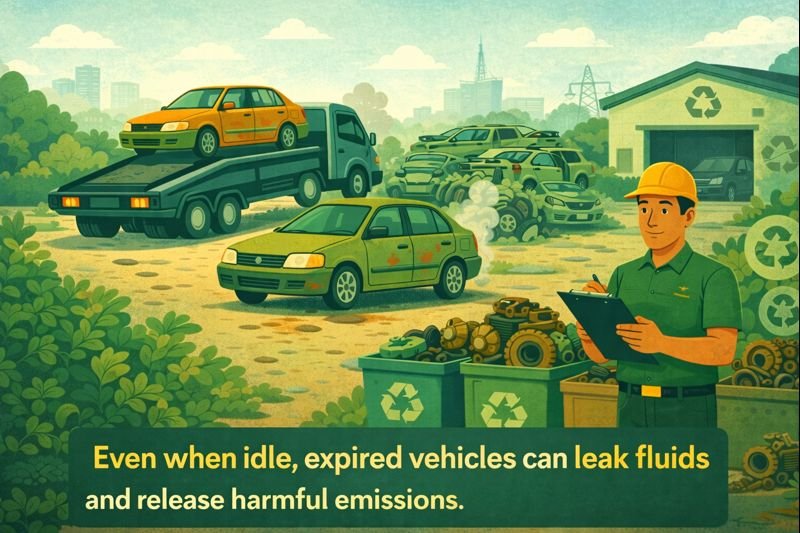
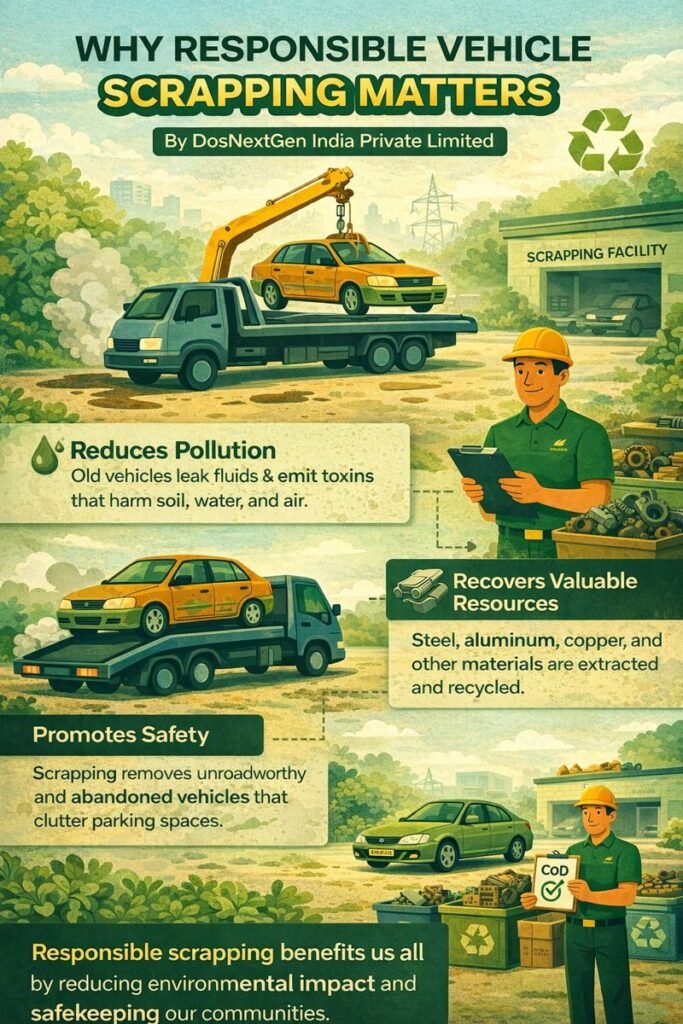
An old vehicle is not just a personal asset past its prime. It is a continuing environmental burden. Even when parked and unused, expired vehicles contribute to pollution through leaking fluids, corroding metals, and inefficient components that can no longer meet modern emission standards. A new year offers a natural pause to reassess this impact—and to act responsibly.
Why Vehicle Compliance Matters Beyond the Road
Vehicle compliance is often misunderstood as a matter of paperwork or regulation. In reality, it is deeply connected to environmental stewardship. Older vehicles were built for a different era—one with fewer controls on emissions, fuel efficiency, and material recovery. Keeping them indefinitely delays the recycling of valuable resources such as steel, aluminium, copper, and glass, all of which require far more energy to extract anew.
By retiring vehicles at the right time, owners help reduce the demand for fresh mining and manufacturing—one of the largest contributors to industrial emissions.
Understanding Vehicle Lifespan
India follows defined vehicle life limits to balance mobility needs with environmental protection:
- Diesel vehicles are permitted up to 10 years
- Petrol vehicles are permitted up to 15 years
Once these limits are crossed, vehicles are categorised as End-of-Life Vehicles (ELVs). Whether driven occasionally or parked permanently, they are no longer suitable for continued use and should exit the system through authorised channels.
A Smarter Way Forward: Legal Scrapping
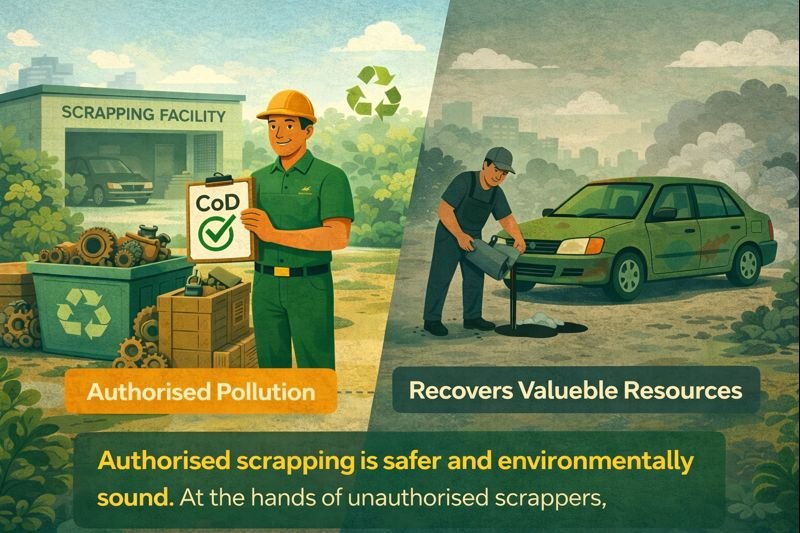
Legal scrapping ensures that a vehicle’s final chapter contributes positively to the economy and the environment. Through authorised Registered Vehicle Scrapping Facilities (RVSFs), ELVs are dismantled scientifically. Hazardous materials are neutralised, reusable parts are recovered, and core metals are recycled back into industry—closing the loop of the circular economy.
Vehicle owners also receive a Certificate of Deposit (CoD), which can be used to unlock financial benefits such as incentives on new vehicles, registration fee waivers, and road tax rebates.
How DosNextGen India Private Limited Supports Responsible Decisions
At DosNextGen India Private Limited, responsible vehicle retirement is made simple and transparent. With a government-authorised RVSF in Hapur (Delhi NCR), the process is handled end to end:
- Doorstep pickup of expired vehicles
- Assistance with RTO de-registration
- Environmentally compliant dismantling
- Timely issuance of the Certificate of Deposit
This ensures that starting the year responsibly does not become an administrative burden for owners, institutions, or communities.
A Resolution That Truly Matters
New year resolutions often fade with time. Vehicle compliance, however, creates lasting impact. One scrapped vehicle means fewer emissions, safer surroundings, reclaimed space, and valuable materials returned to productive use. It is a resolution that benefits not just the individual—but the city, the economy, and the environment.
As India looks ahead to cleaner roads and smarter mobility, responsible vehicle retirement is no longer optional. It is the first, most practical step toward meaningful change.
Contact Us to Begin the New Year with Responsible Vehicle Compliance:
📞 +91 93246 89358
📧 info@dosnextgen.com
🌐 www.dosnextgen.com
This year, let responsibility lead the way. Start with your vehicle—and let progress follow.